The Customer Service Chatbot Opportunity
Customer expectations have never been higher. They want instant responses, 24/7 availability, and personalized service. AI chatbots can deliver all three—if implemented correctly.
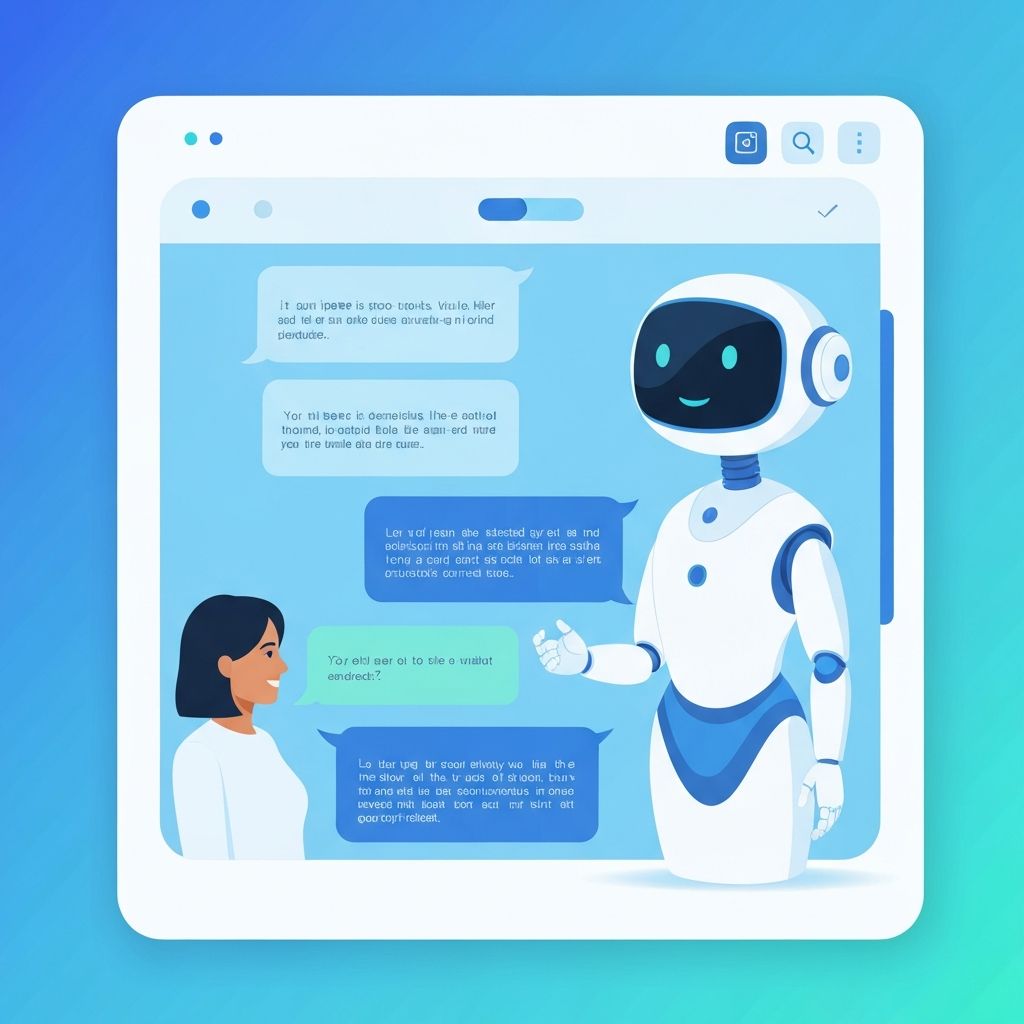
Modern chatbots powered by large language models can handle sophisticated conversations, understand context, and provide genuinely helpful responses. But success requires careful planning and realistic expectations.
What Modern Chatbots Can Do
Immediate Response
Chatbots answer instantly, any time of day. For many customers, a fast approximate answer beats a slow perfect one.
Handle Common Inquiries
Most customer service interactions follow predictable patterns. Chatbots excel at:
- Order status inquiries
- Account information
- FAQ responses
- Basic troubleshooting
- Appointment scheduling
Seamless Escalation
Good chatbots know their limits. When a conversation exceeds their capabilities, they smoothly hand off to human agents with full context.
Continuous Learning
Modern chatbots improve over time, learning from interactions to provide better responses.
Planning Your Chatbot Implementation
Define Objectives
Be specific about what you want to achieve:
- Reduce response time by X%
- Handle Y% of inquiries without human intervention
- Improve customer satisfaction scores
- Reduce support costs
Identify Use Cases
Start with high-volume, straightforward inquiries:
- What questions do customers ask most frequently?
- Which inquiries have clear, factual answers?
- Where do customers experience the most friction?
Choose Your Platform
Options range from simple to sophisticated:
- Rule-based chatbots for straightforward FAQs
- AI-powered chatbots for conversational interactions
- Hybrid approaches combining both
Consider:
- Integration with existing systems
- Customization capabilities
- Analytics and reporting
- Scalability and pricing
Design Conversation Flows
Map out how conversations should progress:
- Greeting and identification
- Intent recognition
- Information gathering
- Response delivery
- Escalation triggers
- Closing and feedback
Implementation Best Practices
Start Narrow, Then Expand
Launch with a limited scope. Perfect those use cases before adding more.
Set Clear Expectations
Let customers know they're talking to a bot. Most don't mind—they appreciate the transparency.
Make Escalation Easy
Never trap customers in a bot loop. Offer clear paths to human assistance.
Train Your Bot Thoroughly
Use real customer interactions to train and test. Cover edge cases and variations.
Monitor and Improve
Review conversations regularly. Identify where the bot struggles and improve responses.
Common Pitfalls to Avoid
Overpromising
Chatbots can't do everything. Set realistic expectations with customers and stakeholders.
Ignoring the Human Element
Chatbots work best alongside humans, not as replacements. Invest in agent training too.
Neglecting Maintenance
Languages, products, and policies change. Keep your bot updated.
Forgetting Accessibility
Ensure your chatbot works for all users, including those using assistive technologies.
Measuring Success
Track metrics that matter:
- Containment rate (% resolved without human intervention)
- Customer satisfaction scores
- Average handling time
- Escalation rate
- First contact resolution
Ready to implement an AI chatbot for your customer service? DEV IT SOLUTIONS helps businesses design, implement, and optimize conversational AI solutions.