The AI Revolution Has Arrived for Small Business
For years, artificial intelligence seemed like a technology reserved for tech giants and Fortune 500 companies with massive R&D budgets. But 2026 marks a turning point: AI has become accessible, affordable, and practical for businesses of all sizes.
Small and mid-sized businesses (SMBs) are now deploying AI solutions that were once the exclusive domain of enterprises. From intelligent customer service chatbots to predictive inventory management, the applications are transforming how smaller organizations compete in the marketplace.
Key Areas Where AI is Making an Impact
Customer Service Automation
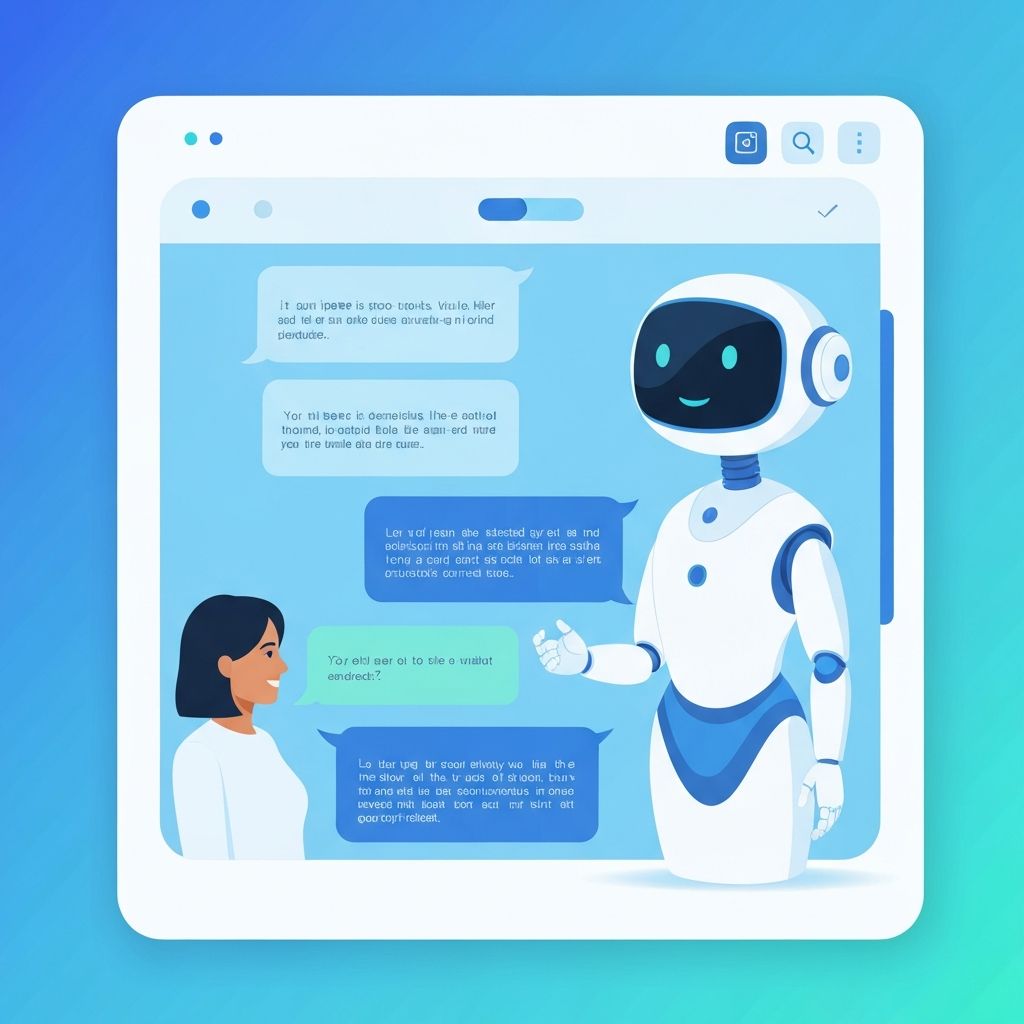
AI-powered chatbots and virtual assistants are handling an increasing share of customer inquiries. These systems can resolve common issues 24/7, freeing human agents to focus on complex problems that require empathy and judgment.
Real-world example: A regional insurance agency implemented an AI chatbot that handles 60% of initial customer inquiries, reducing response times from hours to seconds while improving customer satisfaction scores by 23%.
Predictive Analytics for Better Decision Making
Machine learning algorithms can now analyze historical data to predict future trends, customer behavior, and market changes. SMBs are using these insights to:
- Optimize inventory levels and reduce carrying costs
- Identify customers most likely to churn before they leave
- Forecast demand to improve resource allocation
- Personalize marketing messages for higher conversion rates
Intelligent Process Automation
Beyond simple rule-based automation, AI can now handle processes that require judgment and adaptation. Document processing, invoice matching, and quality control are being transformed by AI systems that learn and improve over time.
Getting Started: Practical Steps for SMBs
1. Start with a Clear Business Problem
Don't adopt AI for its own sake. Identify specific pain points where AI could make a measurable difference. Good candidates include:
- High-volume, repetitive tasks
- Processes requiring pattern recognition
- Decisions that could benefit from data analysis
- Customer interactions that follow predictable patterns
2. Begin with Proven Solutions
The AI market is mature enough that you don't need to build from scratch. Look for:
- Industry-specific AI applications with track records
- Platforms that integrate with your existing systems
- Solutions with clear implementation paths and support
3. Invest in Data Quality
AI systems are only as good as the data they learn from. Before implementing AI:
- Audit your data for completeness and accuracy
- Establish processes for ongoing data hygiene
- Consider what additional data you might need to collect
4. Plan for Change Management
Technology is often the easy part. Preparing your team for AI-augmented workflows requires:
- Clear communication about how AI will assist (not replace) workers
- Training on new tools and processes
- Time for adjustment and feedback loops
The Competitive Advantage
SMBs that embrace AI now will have a significant advantage over those that wait. Early adopters are:
- Reducing operational costs by 15-30%
- Improving customer satisfaction scores
- Making faster, more informed decisions
- Scaling operations without proportional headcount increases
The barriers to entry continue to fall. Cloud-based AI services mean no need for expensive infrastructure. User-friendly interfaces reduce the need for technical expertise. And subscription pricing models make AI accessible even to businesses with limited budgets.
Looking Ahead
By the end of 2026, AI adoption among SMBs is projected to reach 65%, up from 42% in 2024. Those who haven't started exploring AI should begin now—not because it's trendy, but because their competitors likely already are.
The question is no longer whether small businesses can afford to implement AI. It's whether they can afford not to.
Ready to explore how AI can transform your business operations? Contact DEV IT SOLUTIONS for a free consultation on AI readiness and implementation strategies tailored to your specific needs.