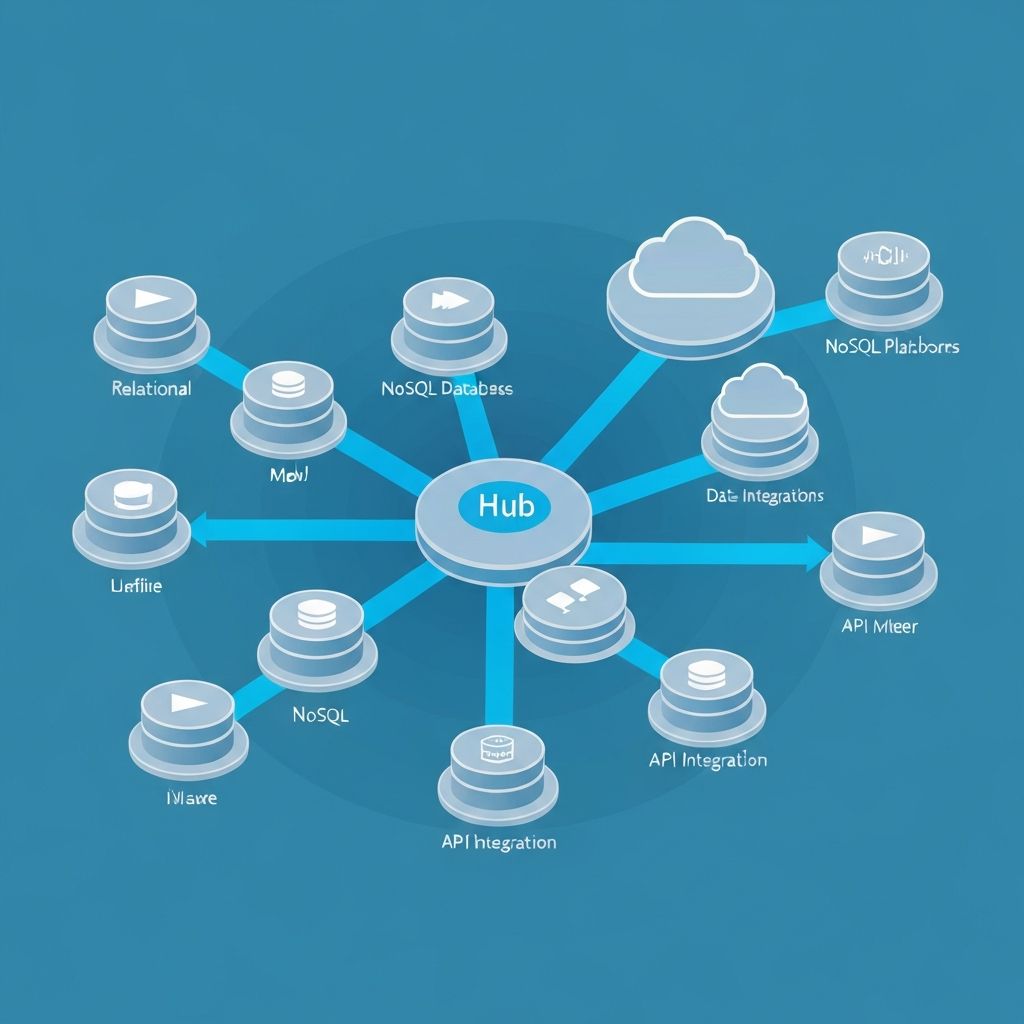
Technology as a Growth Enabler
Technology should be a business enabler, not just a cost center. Yet too many organizations make technology decisions reactively—responding to problems rather than proactively building capabilities that support growth.
A technology roadmap aligns your IT investments with your business strategy, ensuring that every dollar spent on technology contributes to your objectives.
What Makes a Good Technology Roadmap
Strategic Alignment
The roadmap should clearly connect to business goals. Every initiative should answer the question: "How does this help us achieve our business objectives?"
Realistic Scope
Ambition is good, but overcommitment leads to failure. A good roadmap accounts for your organization's capacity for change.
Flexibility
Business conditions change. Your roadmap should be a living document that adapts to new information and priorities.
Clear Priorities
Resources are always limited. The roadmap must make clear what comes first and what can wait.
Building Your Roadmap: A Step-by-Step Process
Step 1: Understand Business Strategy
Start with business objectives, not technology. Work with leadership to understand:
- Where is the business headed in 3-5 years?
- What are the key growth initiatives?
- What operational improvements are needed?
- What are the competitive pressures?
Step 2: Assess Current State
Evaluate your existing technology landscape:
- What applications and systems are in place?
- What are their strengths and limitations?
- Where are the pain points?
- What technical debt exists?
Step 3: Identify Gaps
Compare current state to future needs:
- What capabilities are missing?
- What needs to be upgraded or replaced?
- What new technologies should be considered?
- Where are security or compliance gaps?
Step 4: Define Initiatives
For each gap, define potential initiatives:
- What are the options?
- What are the costs and benefits of each?
- What are the dependencies and risks?
- What resources are required?
Step 5: Prioritize and Sequence
You can't do everything at once. Consider:
- Business impact and urgency
- Dependencies between initiatives
- Resource availability
- Risk and complexity
Step 6: Create the Roadmap Document
Visualize the plan in a format stakeholders can understand:
- Timeline view showing when initiatives occur
- Clear milestones and deliverables
- Resource requirements by period
- Investment requirements
Roadmap Time Horizons
Near-term (0-12 months)
Detailed, committed plans with specific projects, budgets, and resources assigned.
Medium-term (1-2 years)
Directional plans with identified initiatives but flexibility in timing and scope.
Long-term (3+ years)
Strategic direction and vision, acknowledging significant uncertainty.
Common Roadmap Categories
Infrastructure
- Cloud migration and optimization
- Network modernization
- Data center consolidation
- Disaster recovery improvements
Applications
- Core system upgrades or replacements
- Custom development initiatives
- Integration projects
- Mobile and digital experiences
Security
- Security tool implementations
- Compliance initiatives
- Training programs
- Incident response capabilities
Data and Analytics
- Business intelligence improvements
- Data warehouse modernization
- Advanced analytics capabilities
- Data governance initiatives
Keeping the Roadmap Alive
A roadmap is useless if it sits on a shelf. Keep it relevant:
- Review quarterly and adjust as needed
- Track progress against milestones
- Communicate updates to stakeholders
- Celebrate achievements and learn from setbacks
Need help building a technology roadmap for your organization? DEV IT SOLUTIONS provides strategic IT consulting to align your technology investments with your business objectives.